Indus Valley
The ‘Priest-King’
Mohenjo-daro · c. 2000 BCE
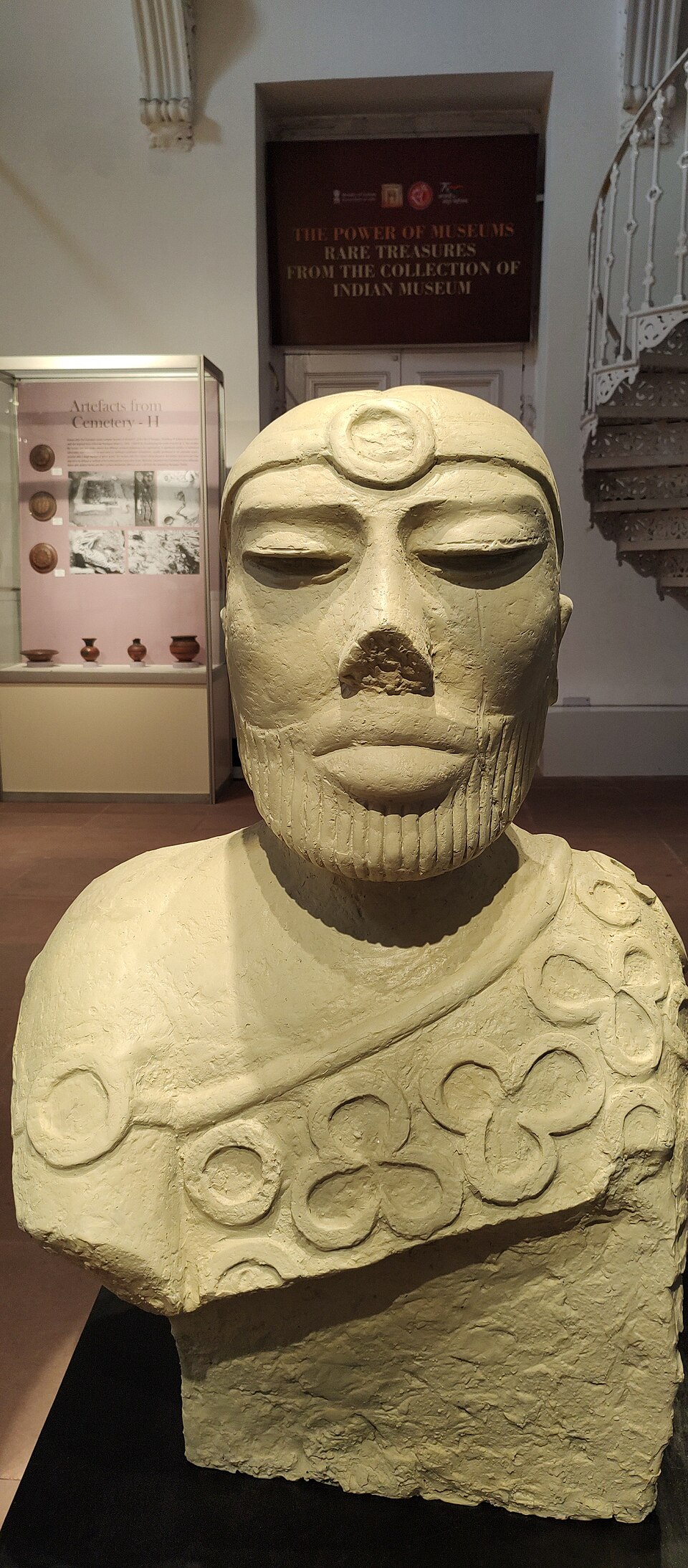
The Indus script is undeciphered, so its social order is genuinely unknown — claims that it was ‘Vedic’ or that it was ‘casteless’ are both unproven.
Before you read
twocodes.net is an educational summary: a plain-language review of a large and contested subject, assembled from documented, publicly available sources. It is not legal, religious, or professional advice, not an official record, and not a replacement for the original sources it cites.
Every claim is marked by how strongly the record supports it — Documented, Debated, or Tradition — and mistakes are corrected in the open. By entering, you accept that you are reading a curated review of the evidence, to weigh for yourself and to check against the originals it cites.
Language
The interface is translated into the languages below. The full articles are being translated in phases; until a language is ready, articles stay in English.
Deep time
Beneath the texts sit physical things: a bust, a seal, a bath, a clay tablet, a burial. Turn through the evidence, then read each one held carefully below — mono for the technical terms, plenty of space, and no drama.
Indus Valley
Mohenjo-daro · c. 2000 BCE
The Indus script is undeciphered, so its social order is genuinely unknown — claims that it was ‘Vedic’ or that it was ‘casteless’ are both unproven.
Indus Valley
Harappan · c. 2500 BCE
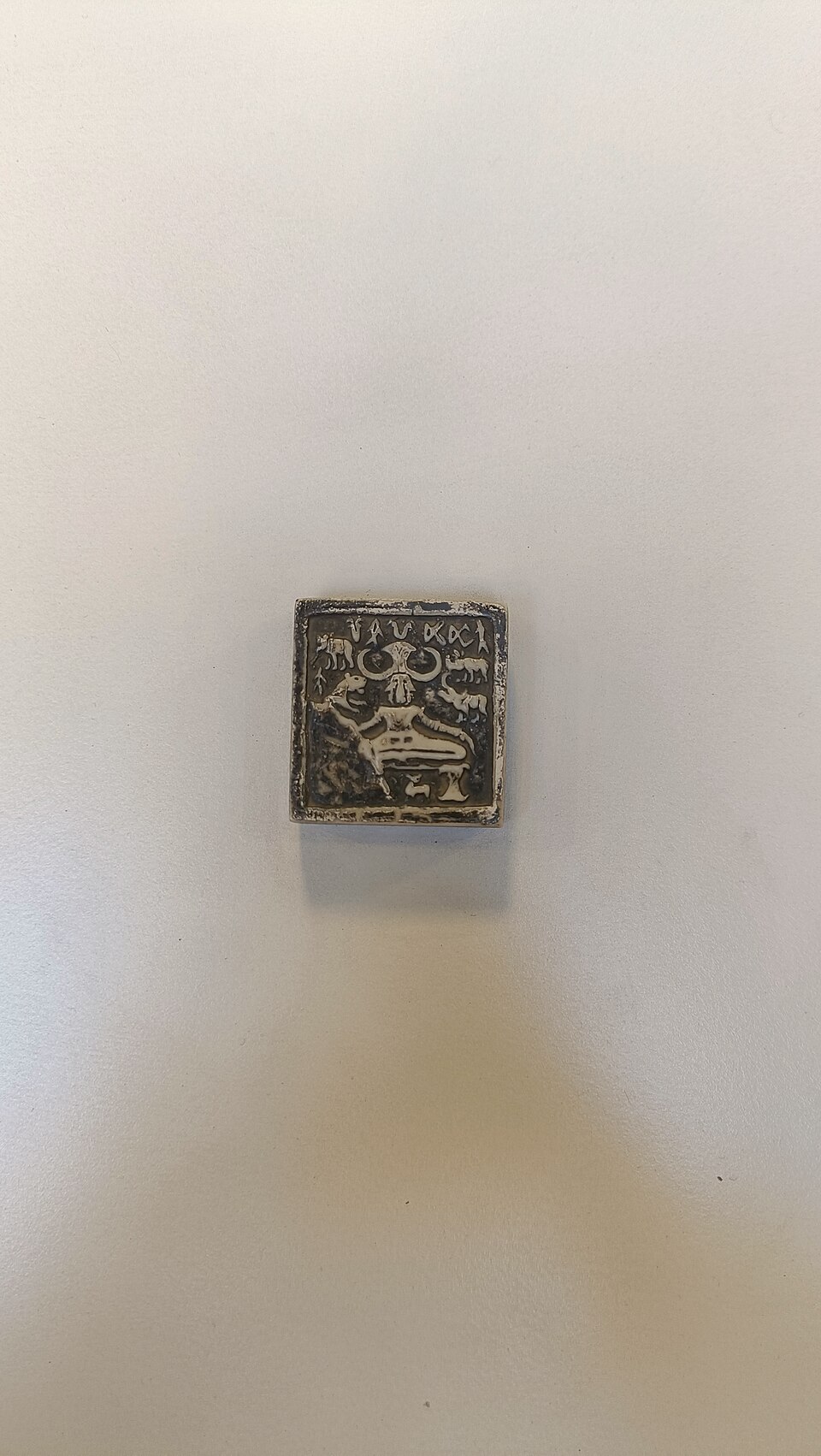
A suggestive reading, not a settled one — the sign-script above the figure still cannot be read. We report the debate, not a verdict.
Indus Valley
Mohenjo-daro
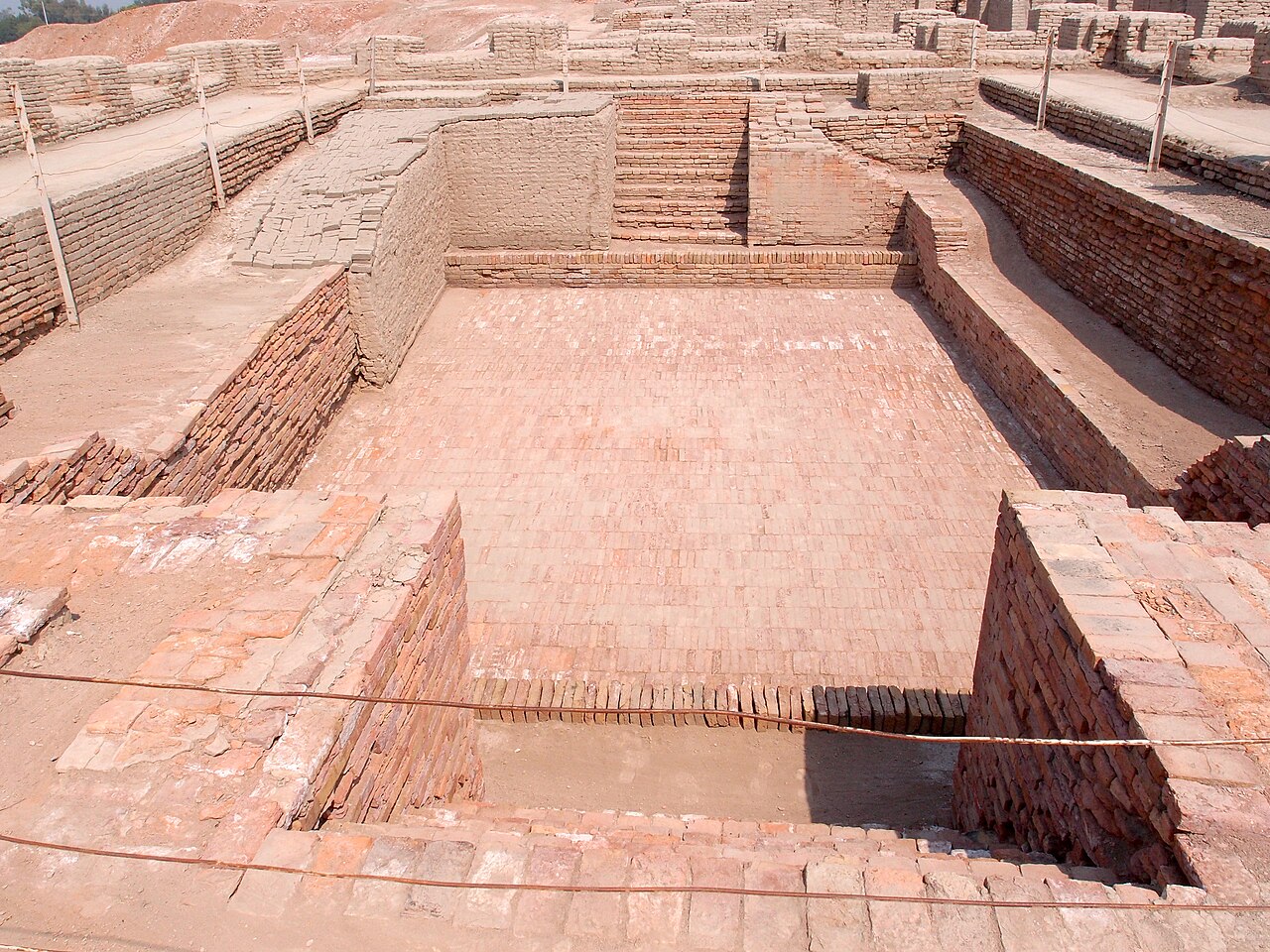
Planned drainage, standardised weights, long-distance trade — a sophisticated urban order whose ideology we cannot recover from the stones alone.
Epigraphy
Boğazköy · c. 1380 BCE
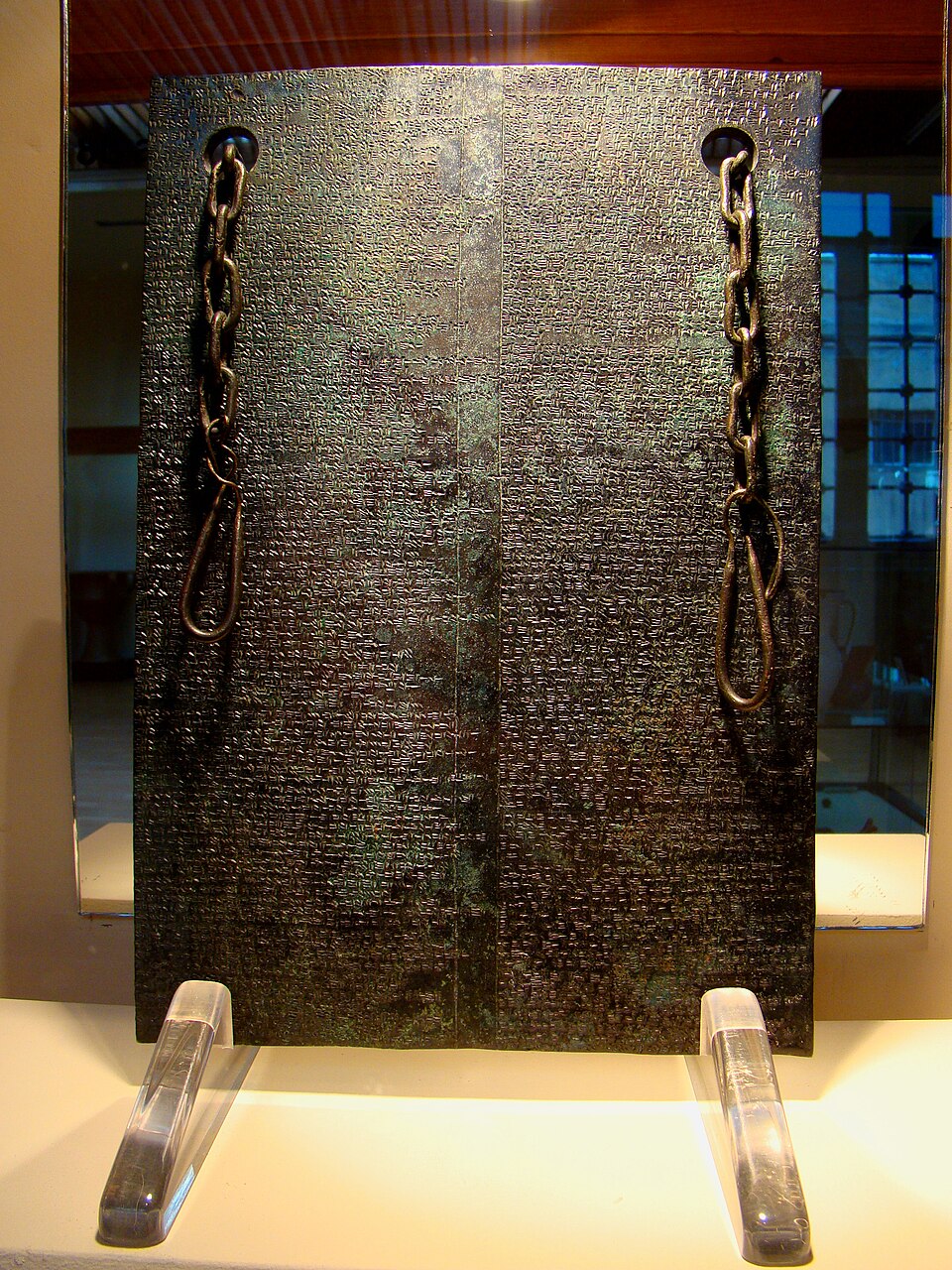
At Boğazköy, the Mitanni–Hatti treaty invoked Indo-Aryan gods in their Rigvedic order — Mitra, Varuṇa, Indra, Nāsatya. A dated, external fixed point for Indo-Aryan speech.
Genetics
Rakhigarhi · ~2500 BCE
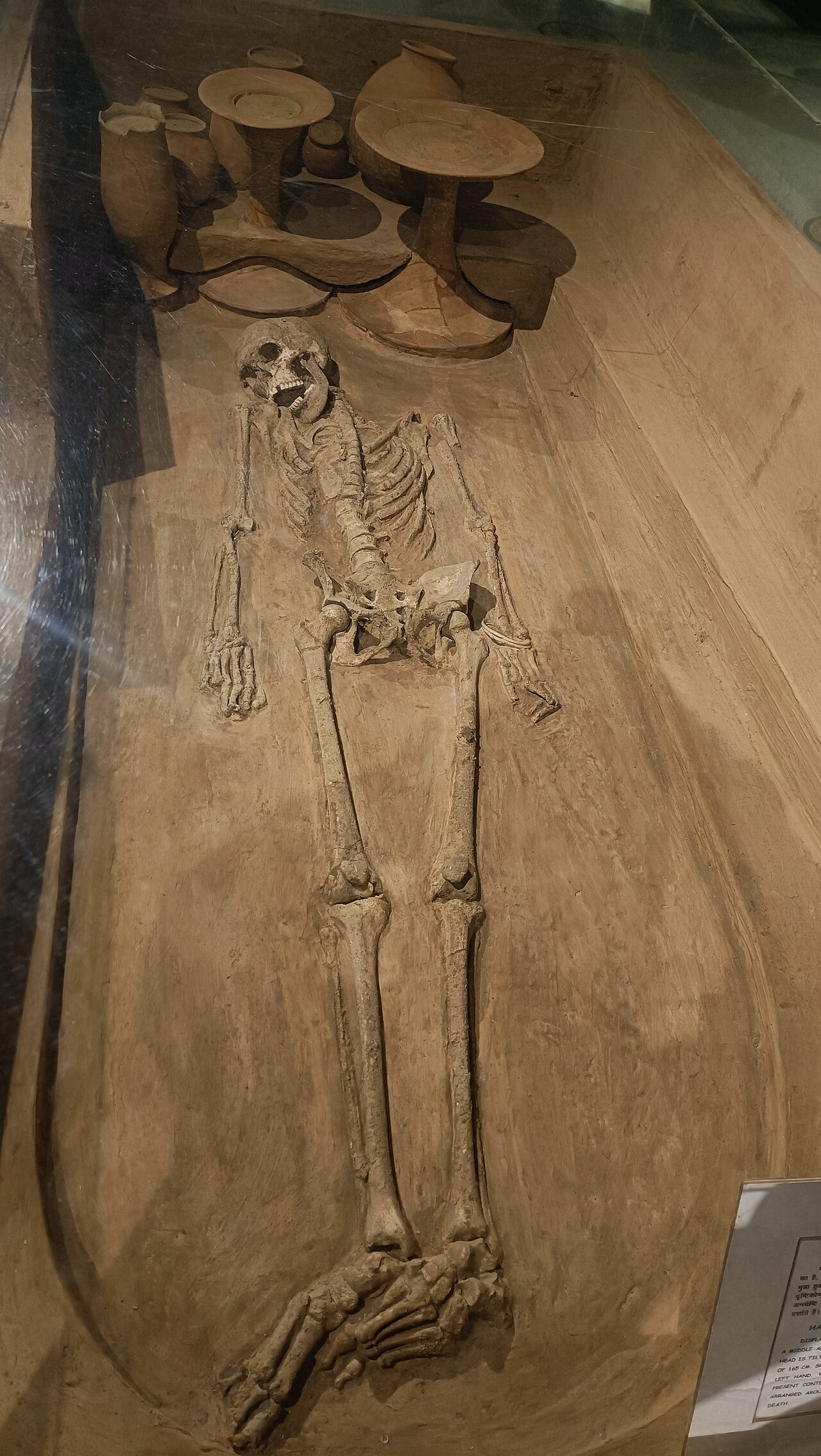
Ancient DNA from a Rakhigarhi individual shows zero steppe ancestry. Genes, language, and caste kept on three separate tracks — never one arrow.
The evidence
Three kinds of evidence sit beneath the texts: a clay treaty in Anatolia, a binary system hidden in Sanskrit metre, and ancient DNA. This is where hype lives online, so this page is built like a museum label — mono for the technical terms, plenty of space, and no drama.
Epigraphy
The Mitanni–Hatti treaty (~1380 BCE, found at Boghazköy) invokes Indo-Aryan gods in their Rigvedic order —Mitra, Varuṇa, Indra, and theNāsatya. And Kikkuli’s horse-training manual carries Indo-Aryan numerals —aika (one), tera (three), panza(five), satta (seven), na (nine). Together they give a dated, external fixed point for the spread of Indo-Aryan speech.
Prosody
Pingala’s chandaḥśāstra encodes metre as a binary system of light and heavy syllables (laghu / guru). Theyamātārājabhānasalagā mnemonic is a genuineDe Bruijn sequence — every three-syllable light/heavy pattern appears once — and the kinship of Sanskrit metre with Greek and Latin metre is real evidence of common Indo-European descent.
Keep the achievement, drop the hype. The claim that “ancient India invented binary” or “invented the computer” is an overstatement — a binary encoding of metre is not a computing machine.[Debated] as popularly framed.
Genetics
The current consensus, read plainly: steppe ancestry entered South Asia around2000–1500 BCE, correlating with the spread of Indo-Aryan languages and carrying the Y-lineage R1a-Z93. The Rakhigarhi individual from the Indus Valley Civilisation (~2500 BCE) had zero steppe ancestry. Swat Valley DNA shows steppe ancestry appearing onlyafter ~1200 BCE.
The Out-of-India position — that Indo-Aryan languages originated in South Asia and spread outward — is a minority view among specialists.[Debated]
Every genetics claim on this page sits beside the three-track rule and the Ambedkar note, by design. For the full evidence — steppe migration, Rakhigarhi, endogamy — held carefully, see the deep-dive essayGenes, language, caste; theMethod page for the stance in brief; and Record vs Rumor for the specific myth this guards against.