This site opened one essay on Manu’s rule that a Shudra’s name should “express something contemptible.” Here is the same theme, nine centuries later, running in reverse — because the sharpest modern argument about caste has been an argument about a word.
Five names for one people
Over a century, India’s most oppressed communities were labelled and re-labelled:
- Untouchable — the colonial-era English term for the disability itself.
- Depressed Classes — the administrative phrase of the 1920s–30s (the category at stake in the Poona Pact).
- Scheduled Caste — the constitutional term from 1935 onward: precise, legal, administrative.
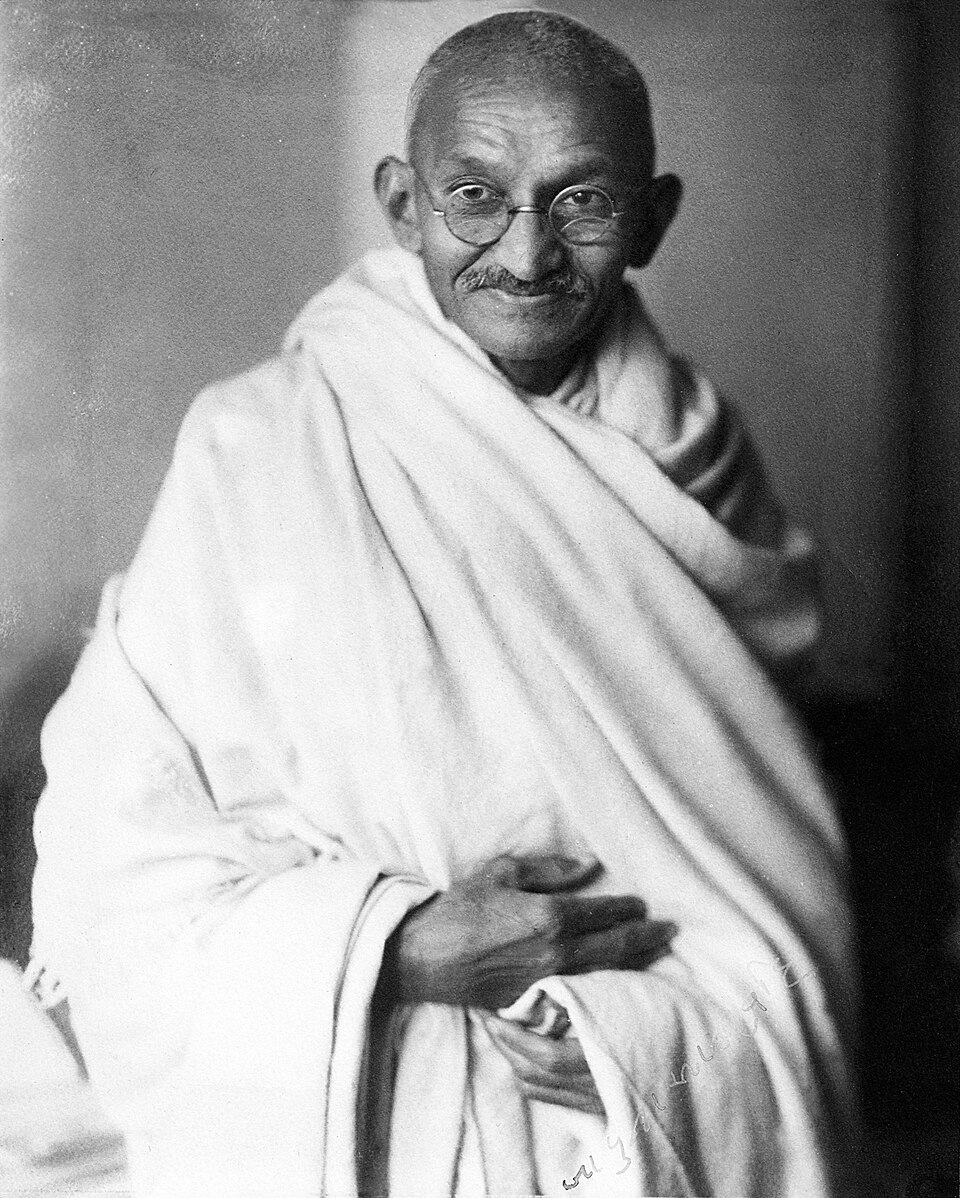
- Harijan — “children of God,” the term Gandhi popularised as a gesture of dignity.
- Dalit — “ground down, broken” — the name the community chose for itself.
[Documented] Each name carries a theory of the people it labels. And the last two went to war.
Why “Harijan” was rejected
Gandhi meant Harijan kindly. Much of the movement heard it as condescension — a name bestowed from above, softening the reality rather than naming it. So the Ambedkarite movement reached instead for a word with no comfort in it.
[Documented] As Zelliot’s history of the movement records, the Marathi word dalit — meaning “ground down, broken, depressed” — was, like the word Black in America, chosen by the group itself and used with pride; none of the older labels (Untouchable, Scheduled Caste, Depressed Classes, Harijan) carried the same defiant connotation. The word had older roots too: the nineteenth-century reformer Jotirao Phule had already used it in the sense of dalitodhar, the uplift of the crushed. To call yourself Dalit is to refuse both the pity of “Harijan” and the euphemism of every official term — and to name the boot, not just the bruise.
The Panthers and the poets
The self-naming was not only political; it was a cultural eruption.
[Documented] In 1972 in Bombay, young, educated, mostly Buddhist activists founded the Dalit Panthers, consciously modelled on the American Black Panthers — militancy, pride, and a refusal to wait. Alongside them rose Dalit Sahitya, a whole school of Dalit literature: poets like Namdeo Dhasal writing from the underside of the city in language the literary establishment could not domesticate. “Dalit,” like “Black,” became a banner for creativity as much as protest.
The old code answered
Keep the two ends of this site’s naming thread in view at once. At one end, around the start of the common era, the Manusmṛti instructs that a Shudra’s name should be built from something contemptible, and a Chaṇḍāla should live outside the village under the garments of the dead — a people named down by the code that ruled them. At the other end, under the new code, the same communities take a word that means “broken” and wear it as a weapon and a badge.
[Documented] The legal term remains Scheduled Caste — that is what the Constitution and its reservations run on. But the political name, the one the people chose, is Dalit. Between Manu’s “contemptible” and the movement’s “Dalit” lies the whole distance this site is trying to measure: from being named by the old order, to naming yourself under the new one.