1891–1956
B. R. Ambedkar
Jurist, economist, chief architect of the Constitution's drafting
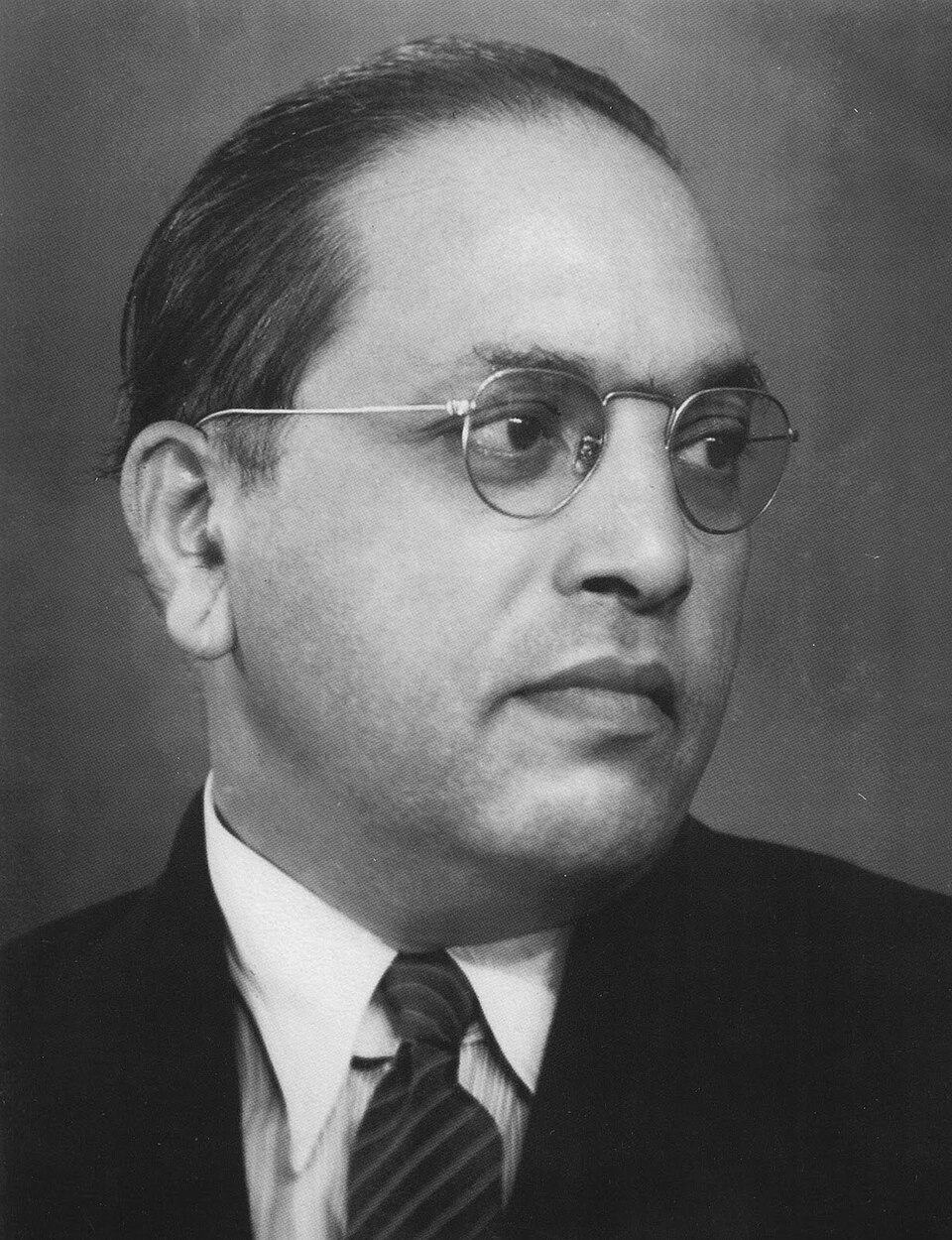
Burned the Manusmṛti at Mahad in 1927, then chaired the committee that drafted the code which replaced it. The hinge of the whole story.
Figures
Nine plates for the people and collisions behind the two codes — portraits and photographs from the free archives. Turn through them, then read the detail below.
1891–1956
Jurist, economist, chief architect of the Constitution's drafting
Burned the Manusmṛti at Mahad in 1927, then chaired the committee that drafted the code which replaced it. The hinge of the whole story.
1879–1973
Founder of the Self-Respect Movement
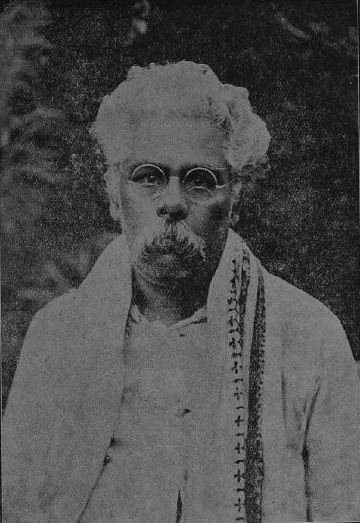
The Tamil rationalist who attacked Brahminical dominance head-on — a different road from Ambedkar's constitutionalism, toward an overlapping end.
1772–1833
Founder of the Brahmo Samaj
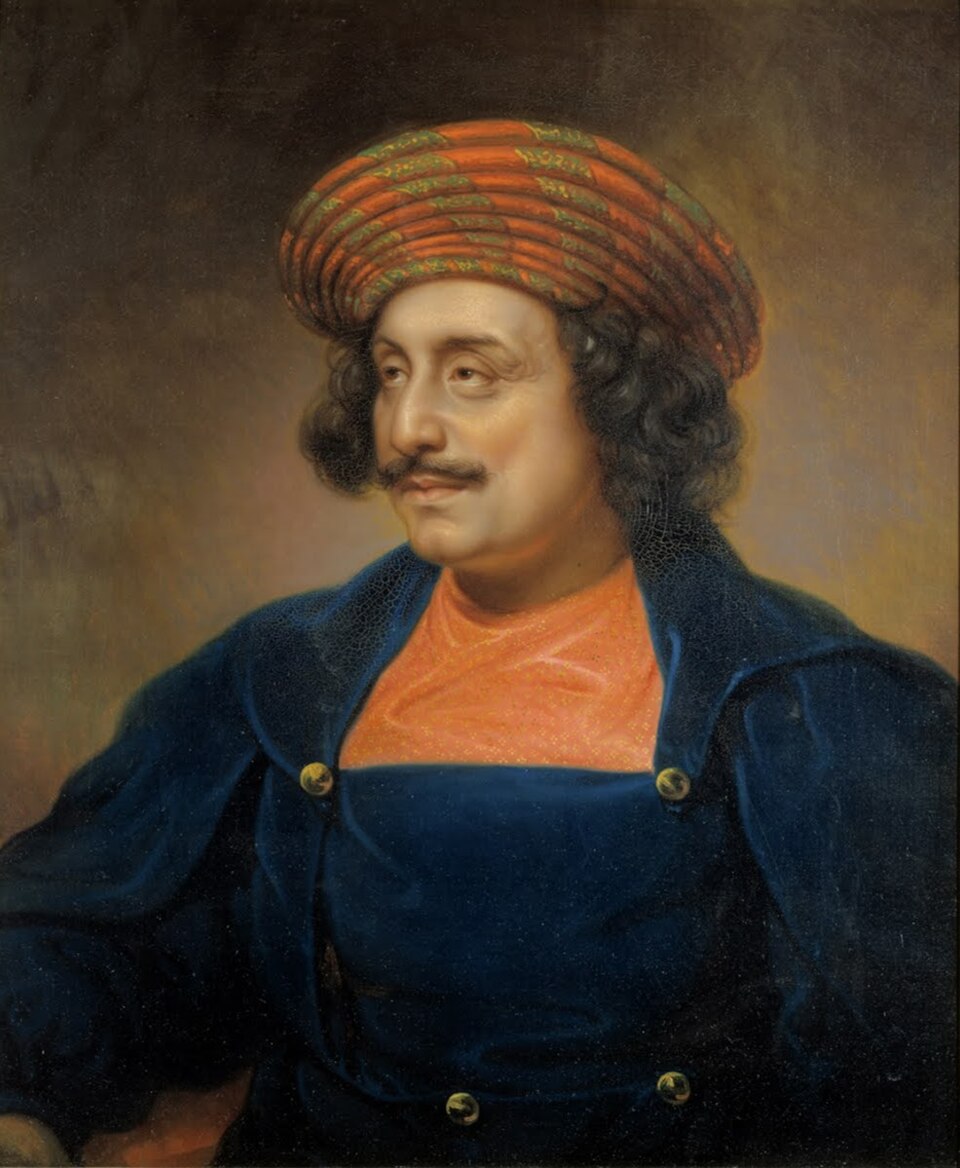
The reformer within tradition, tied to the campaign against sati — outlawed by Regulation XVII of 1829.
1927–1930
All-white statutory commission on Indian constitutional reform
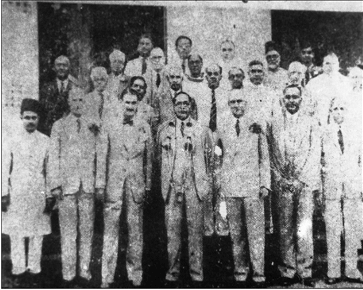
Boycotted for having no Indian member — 'Simon Go Back'. Ambedkar testified anyway, pressing for representation of the Depressed Classes.
1932
A collision between allies on how to protect the Depressed Classes
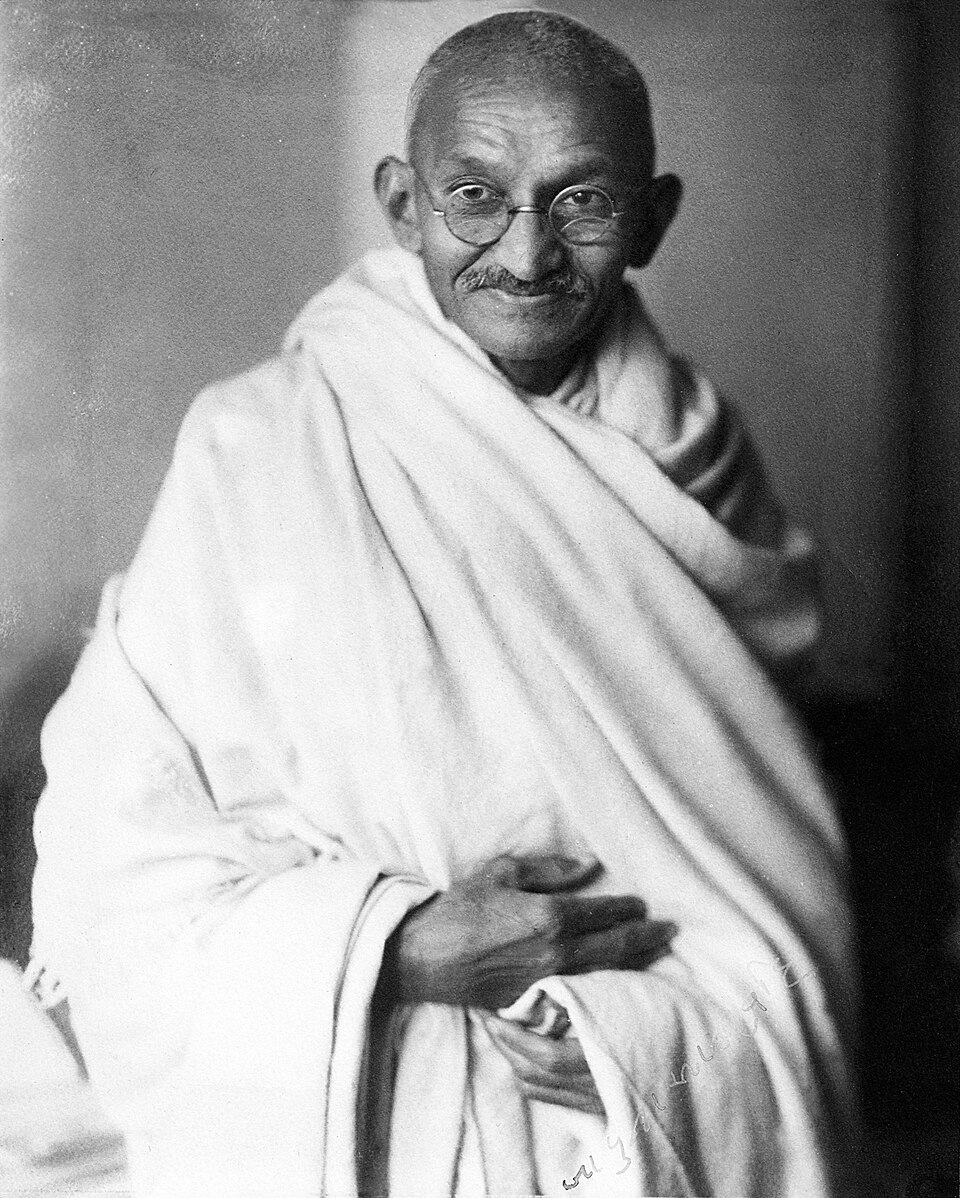
Gandhi fasted against separate electorates; under that pressure Ambedkar signed the Poona Pact for reserved seats — terms he regarded as extracted under duress.
1930s–1940s
Empire vs independence
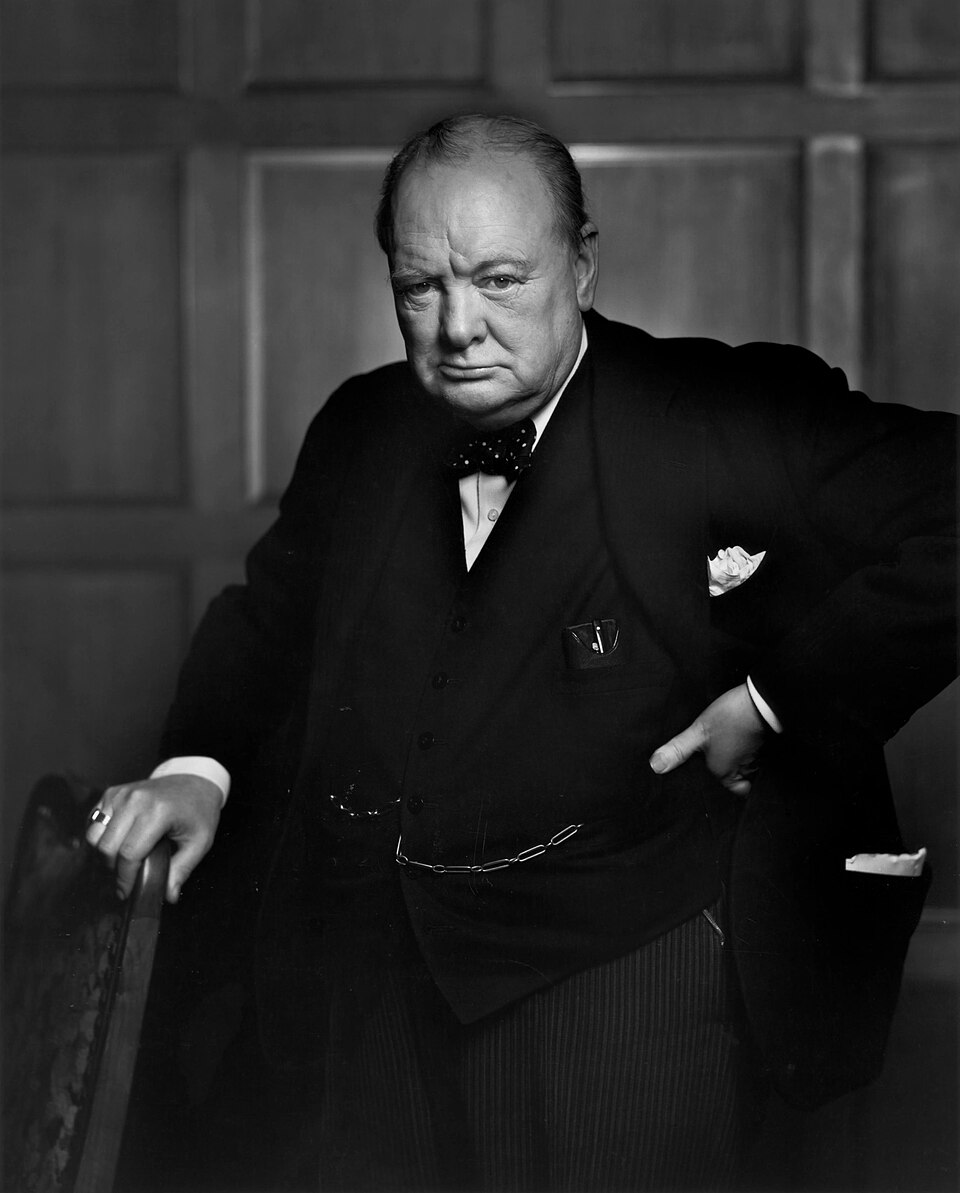
A fierce opponent of Indian self-rule and of Gandhi personally. The antagonism is documented; the famous quotations attributed to it are not, until checked.
1948–1956
Reform of Hindu personal law
Ambedkar's Hindu Code Bill was shelved and he resigned in 1951; Nehru's government later passed it in stages (1955–56) as four separate Acts.
The detail
The people and the collisions behind the two-codes story. Reformers who chipped at the old order, and the clashes — some between allies — that shaped what the new one became. Interpretive summaries are paraphrased and tagged; dates and documents are drawn from the record.
Jurist, economist, chief architect of the Constitution's drafting
Born into a Mahar (then untouchable) family; earned doctorates at Columbia and the LSE. Burned the Manusmṛti at Mahad (1927), chaired the Drafting Committee (1947–49), resigned as Law Minister (1951) over the stalled Hindu Code Bill, and converted to Buddhism weeks before his death.
Founder of the Self-Respect Movement
Led the Tamil anti-caste and rationalist movement, attacking Brahminical dominance and religious orthodoxy. His challenge to caste ran on a different track from Ambedkar's constitutionalism, but toward an overlapping end.
Founder of the Brahmo Samaj
An early modern reformer associated with the campaign against sati, which was outlawed by Regulation XVII of 1829 under Governor-General Bentinck. A reformer within tradition rather than a break from it.
All-white statutory commission on Indian constitutional reform
Boycotted across the political spectrum for having no Indian member ('Simon Go Back'). Ambedkar, however, testified before it and to the Round Table Conferences, pressing the case for separate political representation for the Depressed Classes.
A collision between allies on how to protect the Depressed Classes
The 1932 Communal Award granted separate electorates to the Depressed Classes. Gandhi opposed them and fasted unto death; under that pressure the Poona Pact (1932) replaced separate electorates with reserved seats within the general electorate. Ambedkar signed, but regarded the terms as extracted under duress — a dispute over means, both sides claiming the same end.
Empire vs independence
Churchill was a fierce opponent of Indian self-rule and of Gandhi personally. The antagonism is a documented feature of the independence struggle; specific attributed quotations circulate widely and should be checked against primary sources before quoting.
Reform of Hindu personal law
Ambedkar, as Law Minister, drafted a comprehensive Hindu Code Bill reforming marriage, divorce, and women's inheritance. Facing stiff opposition it was shelved; Ambedkar resigned in 1951. Nehru's government later passed it in stages (1955–56) as the Hindu Marriage Act, Hindu Succession Act, and related laws.
Widely-circulated attributed quotations (for instance, in the Gandhi–Churchill antagonism) are not reproduced as quotes until checked against primary sources. See Method and Record vs Rumor.