The promise
We, the People
1950
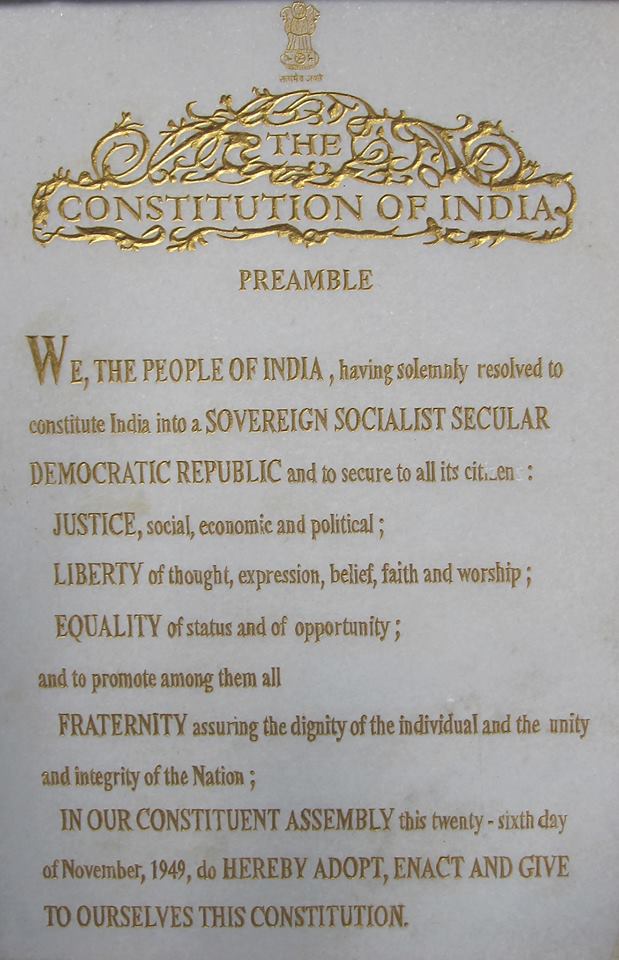
Justice, Liberty, Equality, Fraternity — the four words the whole of Part III exists to secure for every person, not by birth but by right.
Know your rights
The rights in Part III were not gifts — they were fought for, tank by tank and road by road, and then written down. Six plates on where they came from, from the free archives. Then use the tool below to find the one you need.
The promise
1950
Justice, Liberty, Equality, Fraternity — the four words the whole of Part III exists to secure for every person, not by birth but by right.
Article 14 · Equality
Constituent Assembly
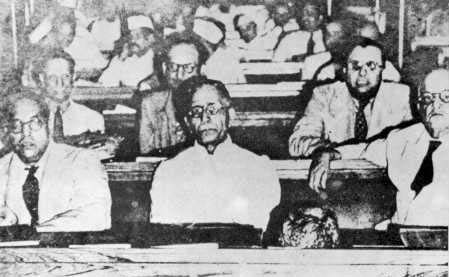
The old code graded people by birth. Article 14 guarantees equality before the law and the equal protection of the laws — the inversion at the core of the new one.
Article 15 · No discrimination
Vaikom · 1924–25
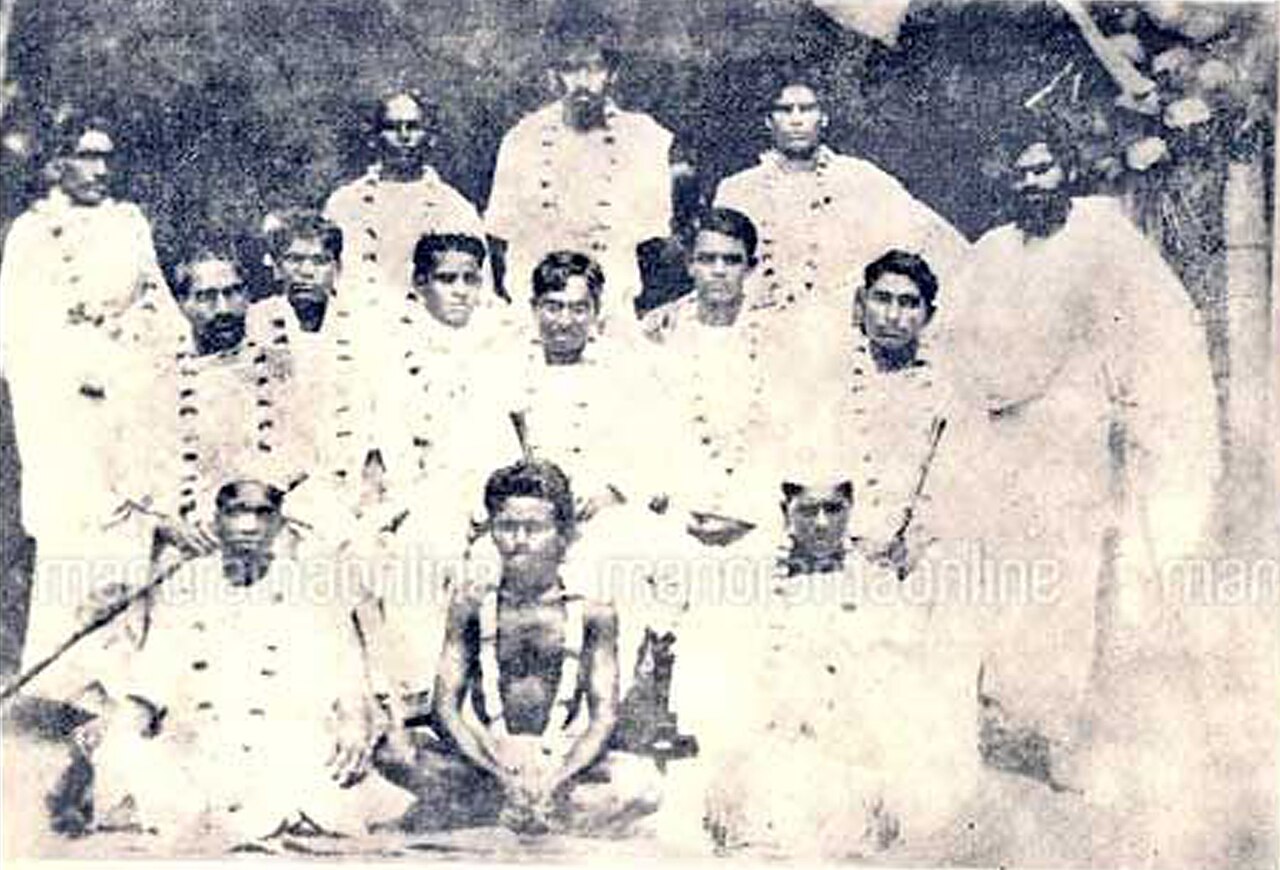
The movement for the right of 'untouchables' to walk the roads past a temple. Article 15 bans discrimination in access to public spaces — the road, made law.
Article 17 · Untouchability
Mahad · 1927
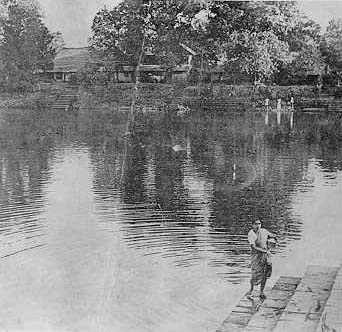
Where Ambedkar led the untouchables to drink from a public tank in 1927. Article 17 abolished untouchability 'in any form' — the fight, made law.
The movement
Mahad · 1927
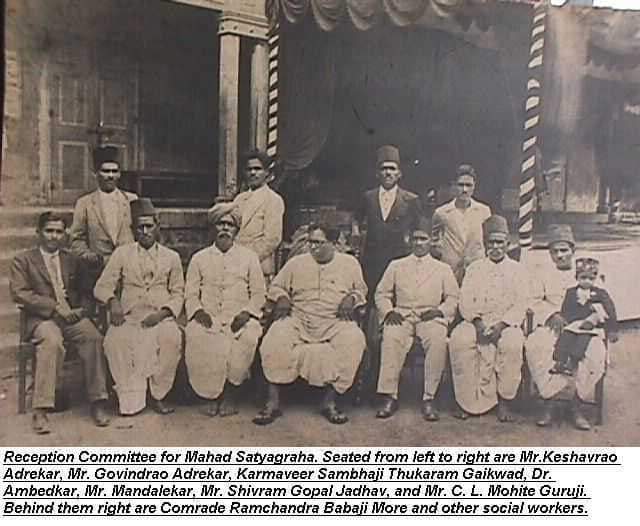
The organised struggle behind Article 17. The Constitution did not invent these rights out of air — it ratified movements that had already paid for them.
In force · 26 Jan 1950
1950
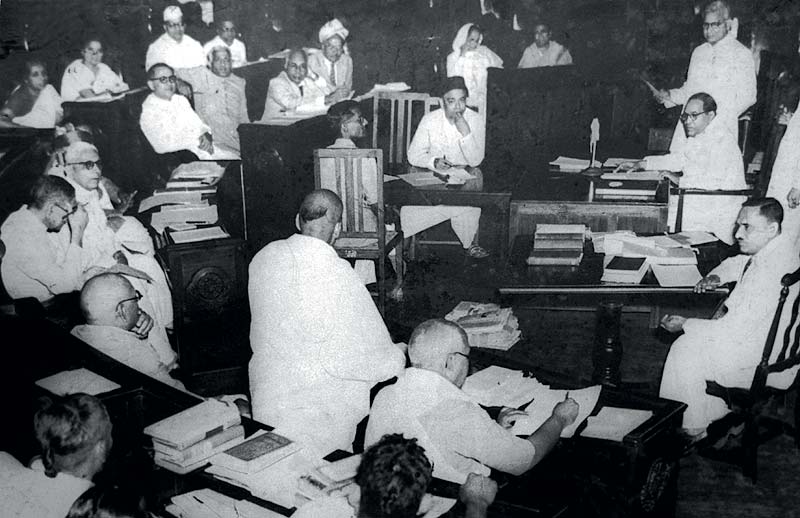
Fundamental Rights are enforceable — you can move the courts directly under Article 32, which Ambedkar called 'the heart and soul' of the Constitution. Find yours below.
The tool
The Constitution's rights are worthless if you don't know you have them. Pick what's happening: it tells you the right the Constitution gives you, the law that backs it, what you can actually do, and who to call. Below the situations, every key Fundamental Right is explained in plain words.
Your right
The law
What you can do
Who to call
Not sure, or it's serious? Call 15100 for free legal aid, or 112 in an emergency. This is information, not advice.
These are the rights the Constitution gives every person in India — the new code, article by article. You can read the full text yourself at constitutionofindia.net.
Article 14
Equality before the law
The State cannot deny anyone equality before the law or equal protection of the laws. The rule of law applies to all — rich or poor, high or low caste, official or citizen.
Article 15
No discrimination
No discrimination on grounds only of religion, race, caste, sex or place of birth — and no denial of access to shops, wells, roads and public places on those grounds. Special provisions are allowed for women, children, backward classes, SC/ST and the EWS.
Article 16
Equal opportunity in public jobs
Equality of opportunity in government employment, with reservation permitted for backward classes not adequately represented.
Article 17
Untouchability abolished
'Untouchability' is abolished and its practice in any form is forbidden and a punishable offence. This is unconditional — no exception.
Article 19
The six freedoms
Freedom of speech and expression; to assemble peacefully; to form associations; to move freely; to reside anywhere in India; and to practise any profession or trade — subject to reasonable restrictions.
Article 20
Protection if accused
No punishment under a law made after the act; no being tried twice for the same offence; and no one can be forced to be a witness against themselves.
Article 21
Life and personal liberty
No one may be deprived of life or personal liberty except by fair, just and reasonable procedure. The courts have read into it the right to privacy, dignity, health, a clean environment, and a speedy trial.
Article 21A
Right to education
Free and compulsory education for all children aged 6 to 14 — a fundamental right.
Article 22
Protection on arrest
If arrested you must be told why, allowed a lawyer of your choice, and produced before a magistrate within 24 hours. (Preventive-detention has separate, limited safeguards.)
Article 23
No forced labour
Traffic in human beings, begar (unpaid forced labour) and bonded labour are prohibited and punishable.
Article 24
No child labour
No child under 14 may work in a factory, mine or other hazardous employment.
Article 25
Freedom of religion
Freedom of conscience and the right to freely profess, practise and propagate religion — subject to public order, morality and health, and to laws against forced conversion.
Article 32
Right to remedies
The right to move the Supreme Court directly to enforce your Fundamental Rights — Ambedkar called it 'the heart and soul of the Constitution'. High Courts have the same power under Art. 226.
Article 39A
Free legal aid
The State must provide free legal aid so that no one is denied justice for want of money. This is why NALSA legal aid exists — call 15100.
Article 300A
Right to property
No person shall be deprived of their property except by authority of law. (A constitutional/legal right since 1978, not a fundamental right — but real.)
Article 338 / 338A / 338B
The safeguards' watchdogs
National Commissions for the Scheduled Castes, Scheduled Tribes and Backward Classes — bodies you can approach when the protections are ignored.
Free legal aid is a fundamental promise (Art. 39A) — call 15100. Emergency 112 · Women 181 · Child 1098 · SC/ST atrocities 14566 · Cyber fraud 1930.