Sati — the immolation of a widow on her husband’s pyre — is one of the most contested episodes in Indian social history, and it is contested in both directions. One story makes it a British rescue of Hindu women from Hindu barbarism. Another makes it a colonial exaggeration invented to justify the Raj. The record supports neither cleanly, which is exactly why it is worth telling carefully.
What was documented
[Documented] Sati was a real practice, recorded in accounts and colonial statistics, concentrated in certain regions — Bengal above all — and among certain communities, not uniform across India. That much is not in dispute.
[Debated] The scale is genuinely argued over. Colonial figures may have been inconsistent, and the practice was far rarer in most of the country than the sensational image suggests. “Real but regionally concentrated, and its extent debated” is the honest statement — not “everywhere,” and not “a colonial myth.”
The Indian reformers came first
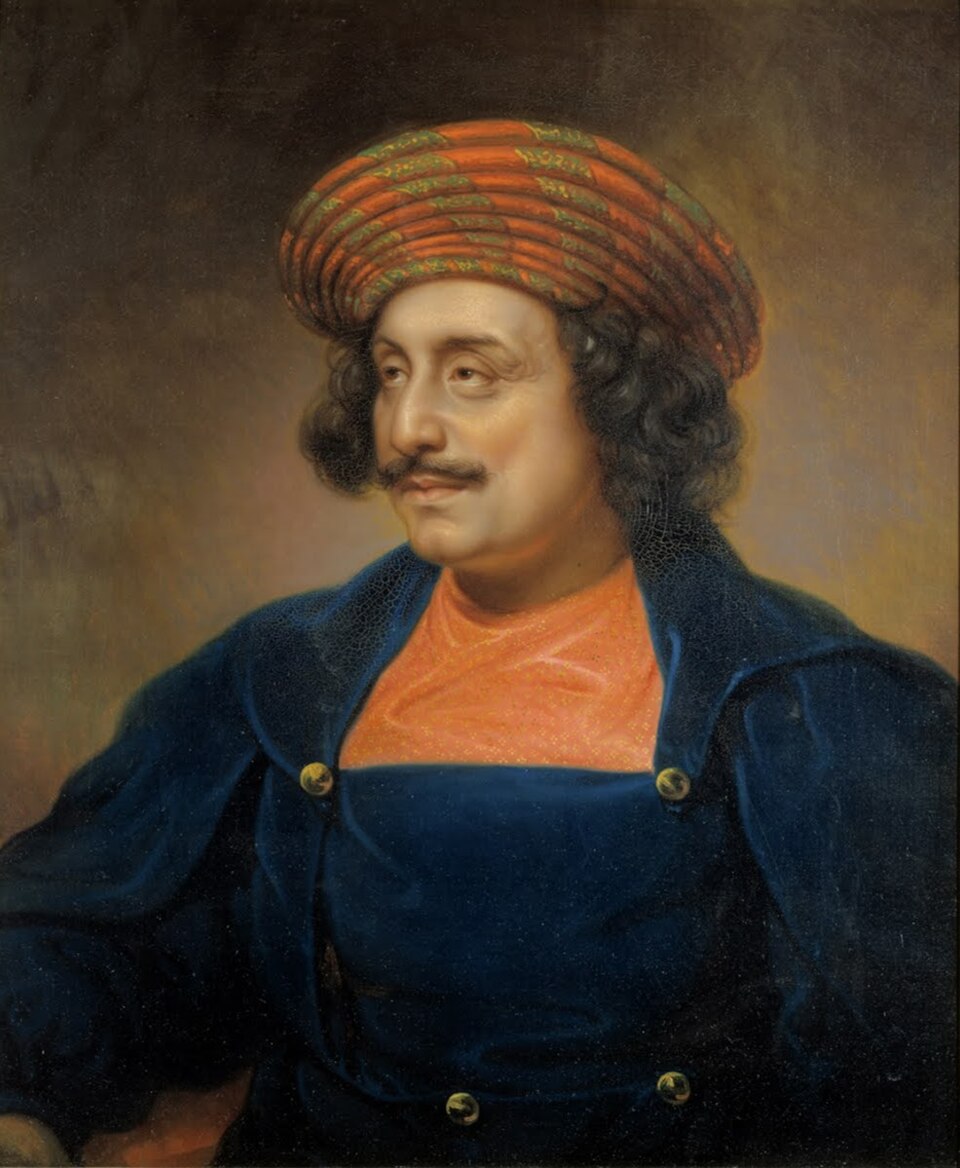
The abolition was not simply handed down by enlightened rulers to passive subjects. The most forceful campaign against sati came from an Indian: Raja Rammohan Roy, who argued on scriptural as well as humane grounds that the texts did not mandate widow-burning, gathered evidence, and petitioned relentlessly. To credit only the British is to erase the Indian reformers who did the intellectual and moral work.
[Documented] Roy’s tracts and petitions against sati are part of the public record of the reform.
The law
[Documented] On 4 December 1829, Governor-General Lord William Bentinck enacted the Bengal Sati Regulation (Regulation XVII of 1829), declaring the practice illegal and the abetment of it culpable homicide, punishable by the courts. It was later extended to the other presidencies.
The backlash — also Indian
The reform was not a simple contest of Indian tradition versus British modernity, because Indians were on both sides. Orthodox opponents formed the Dharma Sabha to defend the practice and petitioned against the ban, carrying their appeal to the Privy Council in London, which upheld the regulation in 1832. Indians campaigned for abolition; Indians campaigned against it; the colonial state legislated. All three are part of the truth.
Why it belongs here
Sati abolition is a template for this whole site’s method. Told as pure colonial rescue, it flatters empire and erases Rammohan Roy. Told as pure colonial invention, it flatters a defensive nationalism and erases the women who burned. The accurate version — documented practice, Indian-led reform, orthodox Indian resistance, colonial legislation, contested scale — satisfies no slogan and is the only version that survives scrutiny.
A closing note on the amendment-versus-distortion theme this site keeps returning to: sati did not vanish as a political symbol in 1829. The 1987 Roop Kanwar case in Rajasthan prompted the Commission of Sati (Prevention) Act, 1987, criminalising not only the act but its glorification — evidence that the old order’s symbols outlive the old order’s law, which is precisely why the new code has to keep answering them.